
Data Science in Logistics is revolutionizing the movement of goods and services from origin to consumption. By harnessing advanced analytics, businesses can streamline operations, improve efficiency, and significantly cut costs. This data-driven transformation is reshaping logistics management and redefining how supply chains operate globally.
From commercial enterprises to military logistics, the application of data science has become indispensable. Both historical trends and modern advancements highlight how distribution strategies have evolved to meet the demands of speed, accuracy, and cost-effectiveness. Tools like simulation software now play a vital role in route optimization, real-time tracking, and delay reduction.
This article is your comprehensive guide to these innovations. Whether you’re a logistics manager, supply chain professional, or analyst, you’ll discover practical insights to enhance performance and future-proof your operations. Let’s dive into how data science is shaping the future of logistics.
Key Takeaways
- Data science is transforming logistics management and supply chain operations.
- Advanced analytics help reduce operational costs and improve efficiency.
- Both commercial and military sectors benefit from data-driven strategies.
- Distribution strategies have evolved with the integration of new technologies.
- This guide provides actionable insights for managers and logisticians.
Understanding the Role of Data Science in Logistics
From military origins to modern business processes, data science has reshaped how systems operate. Today, it plays a pivotal role in enhancing supply chain management, ensuring that goods and services move efficiently from origin to consumption.
Definition and Key Concepts
At its core, supply chain management refers to the coordination of activities involved in producing and delivering products. Data science enhances this process by analyzing vast amounts of information to optimize operations. Key terms like customer satisfaction and order accuracy are now driven by advanced analytics.
Historically, logistics was rooted in military strategies for coordinating army supplies. Over time, it evolved into a business-critical function. Today, data-driven systems have replaced traditional methods, offering greater accuracy and efficiency.
The Evolution of Data-Driven Logistics
The shift from manual processes to digital systems has been transformative. For example, integrating data science into supply chain management has improved forecasting and reduced delays.
“Data-driven decision-making is no longer optional; it’s essential for staying competitive.”
Customer expectations have also changed. With real-time tracking and automated order processing, businesses can deliver faster and more reliably. This evolution highlights the importance of adopting modern technologies to meet growing demands.
Core Components of Modern Logistics Management
Modern logistics management relies on advanced systems to streamline operations. These systems focus on optimizing key areas like inventory control, transportation, and warehousing. By integrating these components, businesses can achieve seamless operations and meet customer demands efficiently.
Order Processing and Inventory Control
Order processing plays a critical role in reducing cycle time and improving customer satisfaction. Automated systems ensure orders are processed quickly and accurately. This minimizes delays and enhances the overall customer experience.
Effective inventory management is equally important. It ensures products are available when needed while minimizing storage costs. Advanced tools track stock levels in real-time, helping businesses avoid overstocking or shortages.
Transportation and Warehousing Strategies
Transportation connects manufacturing with retail distribution. Efficient transportation methods reduce delivery times and costs. Businesses often use route optimization software to plan the fastest and most cost-effective paths.
Modern warehousing strategies include automated picking systems and pallet storage. These innovations improve space utilization and speed up order fulfillment. Integrated systems ensure smooth coordination between warehouse operations and shipping processes.
Shipping practices have also evolved to support global distribution. Real-time tracking and advanced analytics ensure packages reach their destinations on time. This enhances reliability and customer trust.
Digital Transformation in Supply Chain Management
The digital era has brought unprecedented changes to how supply chains operate. Businesses are now leveraging advanced software to streamline processes and improve efficiency. This shift is reshaping the way goods and services move from production to the end consumer.

Specialized software plays a crucial role in modern supply chain management. These tools automate tasks like order processing, inventory tracking, and route optimization. By reducing manual effort, companies can focus on strategic planning and improving delivery times.
Emergence of Logistics Software
Digital tools have revolutionized how businesses manage their supply chains. Real-time tracking systems provide instant updates on shipments, ensuring timely delivery. This level of visibility helps companies address issues proactively and maintain customer satisfaction.
Here’s how digital transformation enhances supply chain operations:
- Automated order processing reduces errors and speeds up fulfillment.
- Real-time scheduling improves planning and resource allocation.
- Advanced analytics boost efficiency by identifying bottlenecks.
These innovations are not just about speed; they also improve accuracy. Digital tracking systems ensure that every step of the supply chain is monitored and optimized. For more insights, check out this detailed guide on data-driven supply chain strategies.
As digital tools continue to evolve, they pave the way for even greater advancements. The integration of data science into these platforms is setting the stage for smarter, more responsive supply chains. This transformation is not just a trend—it’s the future of global commerce.
Supply Chain Optimization Through Data Science
Data science is unlocking new levels of efficiency in supply chain operations, transforming how businesses manage resources and meet demand. By analyzing vast datasets, companies can identify cost drivers and streamline complex processes. This optimization leads to significant improvements in overall chain management and responsiveness.
Enhancing Efficiency and Reducing Costs
One of the most impactful benefits of data science is its ability to reduce operational costs. By optimizing resource allocation, businesses can minimize waste and maximize productivity. For example, advanced analytics can identify inefficiencies in transportation routes, leading to lower fuel expenses and faster delivery times.
Demand forecasting is another area where data science shines. Accurate predictions help businesses align inventory levels with customer needs, reducing overstocking and stockouts. This not only saves costs but also enhances customer satisfaction.
Here’s how data science contributes to cost reduction:
- Optimizes resource usage to minimize waste.
- Improves demand forecasting for better inventory control.
- Streamlines transportation and warehousing processes.
Real-Time Visibility and Decision-Making
Data science enables real-time visibility across the supply chain, empowering businesses to make informed decisions. With instant access to data, companies can quickly address issues like delays or disruptions. This level of transparency ensures smoother operations and higher reliability.
Traditional processes are being replaced by data-driven systems that offer greater accuracy and speed. For instance, real-time scheduling tools help businesses allocate resources more effectively, reducing downtime and improving efficiency.
“Real-time data transforms decision-making from reactive to proactive, ensuring businesses stay ahead of challenges.”
Below is a comparison of traditional vs. data-driven supply chain processes:
| Aspect | Traditional Process | Data-Driven Process |
|---|---|---|
| Resource Allocation | Manual and time-consuming | Automated and optimized |
| Demand Forecasting | Based on historical data | Real-time predictive analytics |
| Decision-Making | Reactive | Proactive and informed |
By integrating data science into their operations, businesses can achieve a competitive edge. The transformation of traditional processes into efficient, real-time systems is reshaping the future of supply chain management.
Logistics
The movement of goods has become a cornerstone of modern business success, driven by innovative technologies and data-driven strategies. Companies are leveraging these advancements to streamline operations and meet customer expectations efficiently.
Innovative Technologies Shaping Logistics
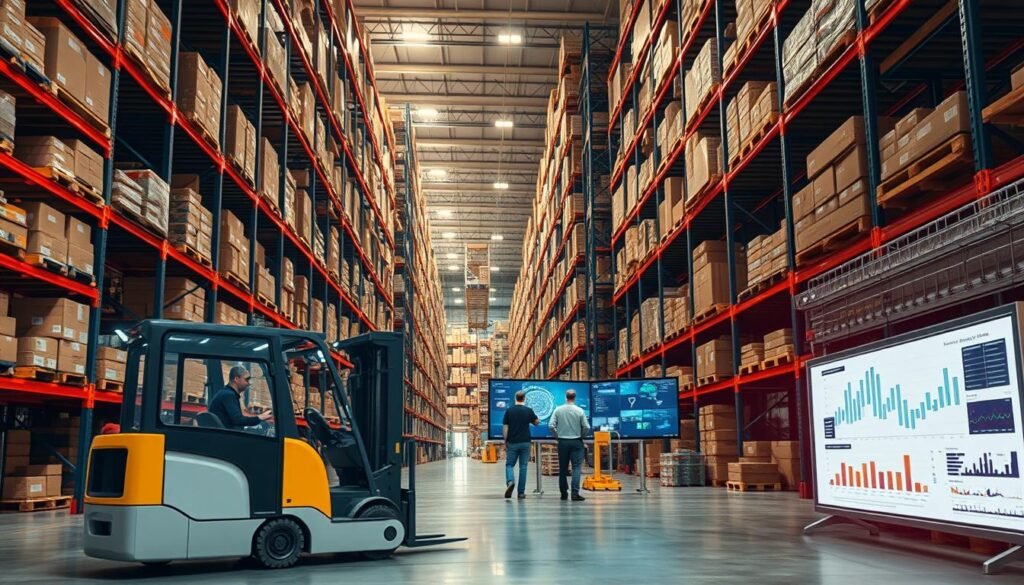
From automated warehouses to real-time tracking systems, technology is transforming how goods are handled and delivered. For example, robotics in warehousing speeds up order processing, while AI-powered route optimization reduces delivery times.
Blockchain is another game-changer, ensuring transparency and security in the supply chain. These innovations not only improve efficiency but also enhance the overall customer experience.
Data-Driven Customer Service and Fulfillment
Data analytics plays a crucial role in improving fulfillment processes. By analyzing customer behavior, companies can predict demand and adjust inventory levels accordingly. This reduces delays and ensures timely delivery.
Real-time communication tools also empower businesses to address customer concerns promptly. For instance, chatbots provide instant support, while tracking systems keep customers informed about their orders.
“Technology and data are the backbone of modern logistics, enabling businesses to operate smarter and faster.”
Here’s how leading companies are leveraging these advancements:
- Amazon uses robotics to optimize warehouse operations.
- Walmart employs AI for demand forecasting and inventory management.
- FedEx integrates real-time tracking for seamless package delivery.
These examples highlight the transformative power of technology in logistics. By adopting these innovations, businesses can stay competitive and deliver exceptional service.
Integration of AI, Big Data and IoT in Logistics
The fusion of AI, Big Data, and IoT is reshaping how materials and products move across the supply chain. These technologies work together to optimize operations, reduce costs, and improve efficiency. From predictive analytics to real-time tracking, businesses are leveraging these tools to stay competitive.
Machine Learning Applications
Machine learning is transforming how businesses handle complex operations. For example, AI algorithms predict demand patterns, ensuring the right amount of material is available at every point in the chain. This reduces waste and improves resource allocation.
Another application is route optimization. Machine learning analyzes traffic, weather, and delivery schedules to find the fastest and most cost-effective paths. This minimizes delays and enhances customer satisfaction.
Real-Time Analytics and Optimization
IoT devices play a crucial role in tracking the movement of materials and products. Sensors provide real-time data on location, temperature, and condition. This ensures goods are handled properly and reach their destination on time.
Real-time analytics also help businesses make precise operational decisions. For instance, if a shipment is delayed, the system can reroute it automatically. This level of responsiveness improves overall efficiency.
Here’s how these technologies compare in optimizing operations:
| Technology | Application | Impact |
|---|---|---|
| AI | Demand Forecasting | Reduces overstocking and shortages |
| IoT | Real-Time Tracking | Improves visibility and reliability |
| Big Data | Route Optimization | Minimizes delays and costs |
Case studies show how these innovations improve material handling. For example, a leading retailer used IoT sensors to reduce inventory errors by 30%. Another company implemented AI-driven analytics to cut transportation costs by 15%.
“The integration of AI, IoT, and Big Data is not just a trend—it’s the future of efficient operations.”
By adopting these technologies, businesses can optimize every point in the supply chain. This ensures smoother operations and better customer experiences.
Case Studies and Industry Examples
Across industries, innovative practices in supply chain management are setting new benchmarks for efficiency and reliability. From retail giants to military operations, these examples showcase how data-driven strategies are transforming the way goods and services move. Let’s dive into some real-world applications that highlight the power of modern management logistics.
Innovations from Leading Retailers
Retailers like Amazon and Walmart have revolutionized their supply chains by integrating advanced technologies. For example, Amazon uses robotics in its warehouses to speed up order processing. This has significantly reduced delivery times and improved customer satisfaction.
Walmart, on the other hand, employs AI for demand forecasting. This ensures that inventory levels are aligned with customer needs, minimizing overstocking and shortages. These innovations highlight how data science is reshaping production and distribution strategies.
Military and Commercial Logistics Successes
Military operations often face complex challenges in managing resources. By adopting data-driven management logistics, they have improved efficiency in critical areas. For instance, real-time tracking systems ensure that supplies reach troops on time, even in challenging environments.
In the commercial sector, companies like FedEx have transformed their operations with advanced analytics. Real-time tracking and route optimization have reduced delivery times and costs. These examples demonstrate how both military and commercial sectors benefit from innovative practices.
Here’s a comparison of key strategies:
- Retailers focus on automating production and distribution.
- Military operations prioritize real-time tracking and resource allocation.
- Both sectors emphasize the importance of data-driven decision-making.
“Innovation in logistics isn’t just about technology—it’s about creating systems that adapt to real-world challenges.”
By studying these examples, industry professionals can identify actionable lessons to improve their operations. Whether it’s optimizing production processes or enhancing resource allocation, these case studies provide valuable insights for modern supply chain management.
Challenges and Future Trends in Logistics Data Science
As data science evolves, the logistics industry faces new hurdles and exciting trends. While advanced analytics and technology offer immense potential, challenges like data security and operational inefficiencies must be addressed. This section explores these obstacles and forecasts the future of logistics driven by innovation.
Emerging Technologies and Data Security
One of the most pressing challenges is ensuring data security. As logistics systems become more connected, the risk of cyber threats increases. Emerging technologies like blockchain and AI can enhance security by providing transparent and tamper-proof records.
Blockchain, for example, ensures that every transaction is verified and recorded. This reduces the risk of fraud and improves trust in the system. AI, on the other hand, can detect unusual patterns in data, alerting businesses to potential breaches.
Here’s how these technologies address security concerns:
- Blockchain provides a secure and transparent ledger for transactions.
- AI detects anomalies in data to prevent cyberattacks.
- IoT devices encrypt data to protect sensitive information.
Overcoming Operational Hurdles
Operational inefficiencies remain a significant challenge in logistics. Issues like delayed shipments, inaccurate inventory tracking, and poor route planning can disrupt the entire supply chain. Data science offers solutions to these problems by optimizing processes and improving decision-making.
For instance, advanced analytics can predict demand patterns, ensuring the right amount of product is available at every location. This reduces overstocking and shortages, improving overall efficiency.
Real-time tracking systems also play a crucial role. They provide instant updates on shipments, allowing businesses to address delays proactively. This ensures timely delivery and enhances service quality.
“The integration of data science into logistics is not just about technology—it’s about creating systems that adapt to real-world challenges.”
Here’s a comparison of traditional vs. data-driven approaches to overcoming operational hurdles:
| Aspect | Traditional Approach | Data-Driven Approach |
|---|---|---|
| Inventory Management | Manual tracking | Real-time analytics |
| Route Planning | Fixed schedules | Dynamic optimization |
| Customer Service | Reactive support | Proactive solutions |
By adopting these innovations, businesses can overcome operational challenges and improve their service delivery. The future of logistics lies in the seamless integration of technology and data science, ensuring smoother operations and better customer experiences.
Conclusion
The integration of data science has fundamentally changed how businesses manage their supply chains. By leveraging advanced analytics, companies can optimize storage solutions and enhance inventory control, ensuring products are always in the right place at the right time.
Maintaining strong supplier relationships is equally crucial. Data-driven insights help businesses collaborate more effectively, ensuring smoother operations and better outcomes. Precise time management further reduces delays and improves efficiency across the board.
Looking ahead, data science will continue to innovate logistics operations. From predictive analytics to real-time tracking, the future promises even greater advancements. This guide has highlighted actionable strategies to embrace digital transformation and stay competitive.
Ready to transform your operations? Explore how data-driven strategies can elevate your supply chain and deliver exceptional results.











Comments are closed.